Conscience includes the process of four parts. Four parts interconnected yet at the same time independent of each other. Like a four-way stop, each road takes you in a new direction. In the means of conscience, each road at that four-way stop includes views, listening, changes, and trust.

Views. A word with a variety of definitions yet a simple meaning in terms of oneself. Viewpoints, perspectives, angles. However you want to put it, it is simply how we see the world.
Take the song This Is America by Childish Gambino, for example. When first listening to this song, you may think of it as just another modern rap song with erratic beats and foul language, but to the artist and others diving deeper into the lyrics, you’d come to realize that the song is actually about race and gun violence in America.
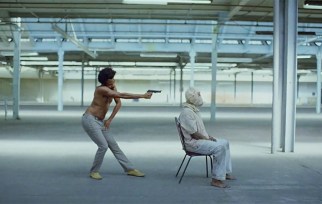
Although we may choose our viewpoints based on our first impression of things, a part of being conscience is knowing that there is always more underneath the surface of what we can see.
Similar to the Childish Gambino song, Dr. Stockman from Enemy of the People by Arthur Miller, left people wondering whether they viewed him as a moral citizen or a self-centered egocentric man. Each person had their own reasons and justifications as to what they thought of him and everyone had different views.
Everyone’s view is essential. In order to fully comprehend our conscience we need to be aware of others perspectives and simply listen to them.
Listening. To be able to listen and accept others opinions is to be able to grow as a person. We are not able to fully expand our knowledge without hearing what others have to say.
It’s like a terms and conditions agreement. You know you’re supposed to read through it all before agreeing, but most people just skip through all the important information and press agree.
The only person at fault for not reading the part in the agreement that says you could win $1000 by simply clicking on a link is you.
By skipping and ignoring all the important information people have to pertain, you’re missing out on all the possible benefits you could be gaining from them.
As Margaret Wheatley explains in her article Willing to be Disturbed, we tend to be afraid to take in new ideas. We are scared of listening to others in the fear that they might say something different than what we believe. We are disturbed by ideas unlike our own.
“Sometimes we hesitate to listen for differences because we don’t want to change. We’re comfortable with our lives and if we listened to anyone who raised questions, we’d have to get engaged in changing things” (Wheatley 2).
The issue with most people and our struggles to develop our conscience is that we are constantly talking about things we’d like to change in the world, but we are terrified to do anything about it.
Once we are able to start listening to others, we can start changing the things we never thought could be changed.
Change. The process of change is coming to senses with oneself or with others about what needs to be different and acting on it. It’s simple to talk about change, but the difficult part of developing our conscience is being able to pursue our talk of change.
It’s like when I always tell myself I’m going to start eating healthier. I know I can easily convince myself of all the benefits eating healthier could do for my mental and physical health, but making the modification to stop eating all the unhealthy foods is something I cannot easily be consistent with. My conscience knows what’s good for me, but external factors are what keeps me from accomplishing it.
In order to change, we must combat the external forces that tend to dominate our true motives. We must not always do what others think is right, but what we know is morally right. Doing this may push us out of our comfort zones, but we have to learn to trust the process.
Trust. The last step to processing our conscience. As Bobbie Harro accurately summarizes in her article The Cycle of Socialization, “They are humanized through action; not dehumanized by oppression. They listen to one another. They take one another’s perspectives. They learn to love and trust each other. This is how the world changes” (54).
To acknowledge the prior three stages of our conscience trust must be involved. Trust in oneself and others. Trust that we can effectively state our own viewpoints, listen to others, and make a change in the world. And finally, trust that we believe in ourselves to achieve these things in order to properly and completely understand our conscience. (795 words)
 my world through my words